
Transform Your Health: Master Cholesterol Control
Discover how strategic nutrition choices can help you manage cholesterol naturally. Learn from science-backed insights and real success stories from our community.
By The Numbers: Nutrition Impact
Cholesterol reduction possible through diet modification
Weeks to notice improved cholesterol levels with consistent dietary changes
Published studies confirming fibre's role in cholesterol management
Greater cardiovascular benefit from plant-based proteins versus processed sources
Key Dietary Strategies for Lower Cholesterol
Increase Soluble Fibre Intake
Soluble fibre binds to cholesterol particles and helps eliminate them from your body. Oats, legumes, apples, and barley are excellent sources that can reduce LDL cholesterol by up to 15 percent when consumed regularly as part of a balanced diet.
Choose Healthy Fats Wisely
Replace saturated and trans fats with unsaturated alternatives. Olive oil, avocados, nuts, and fatty fish rich in omega-3 fatty acids support cardiovascular health. These smart fat choices actively contribute to improving your overall cholesterol profile over time.
Embrace Plant-Based Proteins
Legumes, tofu, nuts, and seeds provide protein without the saturated fat found in red meat. Plant-based proteins deliver fibre and polyphenols that support healthy cholesterol levels and strengthen your cardiovascular system naturally.
Reduce Processed Foods
Processed foods often contain hidden trans fats and refined sugars that elevate cholesterol. Whole grains, fresh vegetables, and minimally processed options keep your cholesterol in check while providing essential nutrients your body needs.
Stay Hydrated and Active
Proper hydration supports metabolic function and helps your body process nutrients effectively. Combined with regular physical activity, good hydration creates an ideal environment for managing cholesterol and maintaining cardiovascular wellness.
Monitor and Adjust Gradually
Track your dietary changes and notice how your body responds over weeks and months. Gradual adjustments to your eating habits create sustainable improvements rather than dramatic shifts that are difficult to maintain long-term.
The Science Behind Smart Eating Habits
Understanding the relationship between nutrition and cholesterol is fundamental to making lasting health improvements. Scientific research consistently demonstrates that dietary choices directly influence your lipid profiles, with certain foods actively working to improve your cardiovascular markers.
Plant sterols found in seeds and whole grains, for instance, compete with dietary cholesterol for absorption in your digestive system, reducing the amount that enters your bloodstream. Similarly, the polyphenols in fruits and vegetables act as antioxidants, protecting your cardiovascular system from oxidative stress that can damage arterial walls.
When you combine these nutritional strategies with lifestyle factors like regular movement and stress management, you create a comprehensive approach to cholesterol control that addresses multiple pathways in your body simultaneously.
Explore Food Guide
Cholesterol-Friendly Food Groups

Omega-3 Rich Fish
Salmon, mackerel, sardines, and trout contain omega-3 fatty acids that actively reduce triglycerides and support heart health. Aim to incorporate these fish into your meals two to three times weekly for maximum cardiovascular benefit.
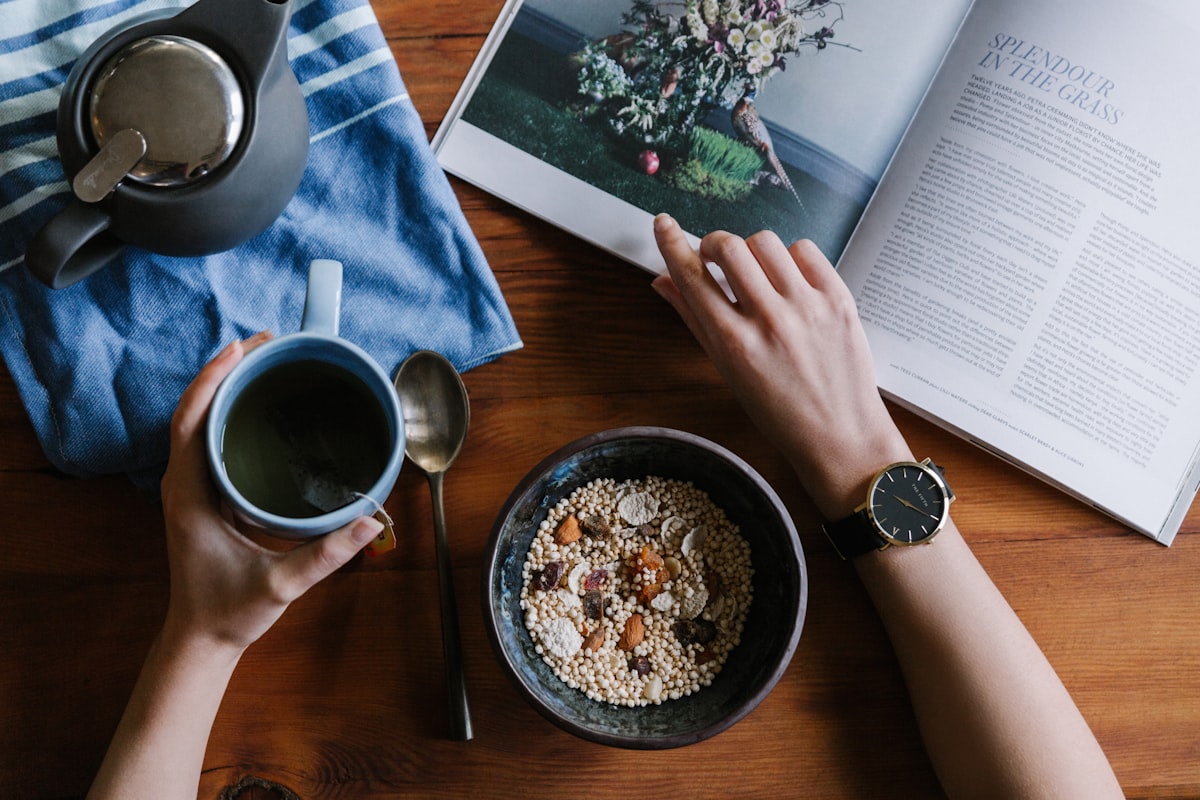
Legumes and Beans
Lentils, chickpeas, black beans, and peas deliver soluble fibre that binds cholesterol. These affordable protein sources also contain polyphenols and minerals that support overall cardiovascular function when eaten regularly.

Whole Grains
Oats, barley, brown rice, and whole wheat contain beta-glucan, a soluble fibre proven to lower LDL cholesterol. Starting your day with oatmeal or choosing whole grain bread significantly impacts your daily cholesterol management.
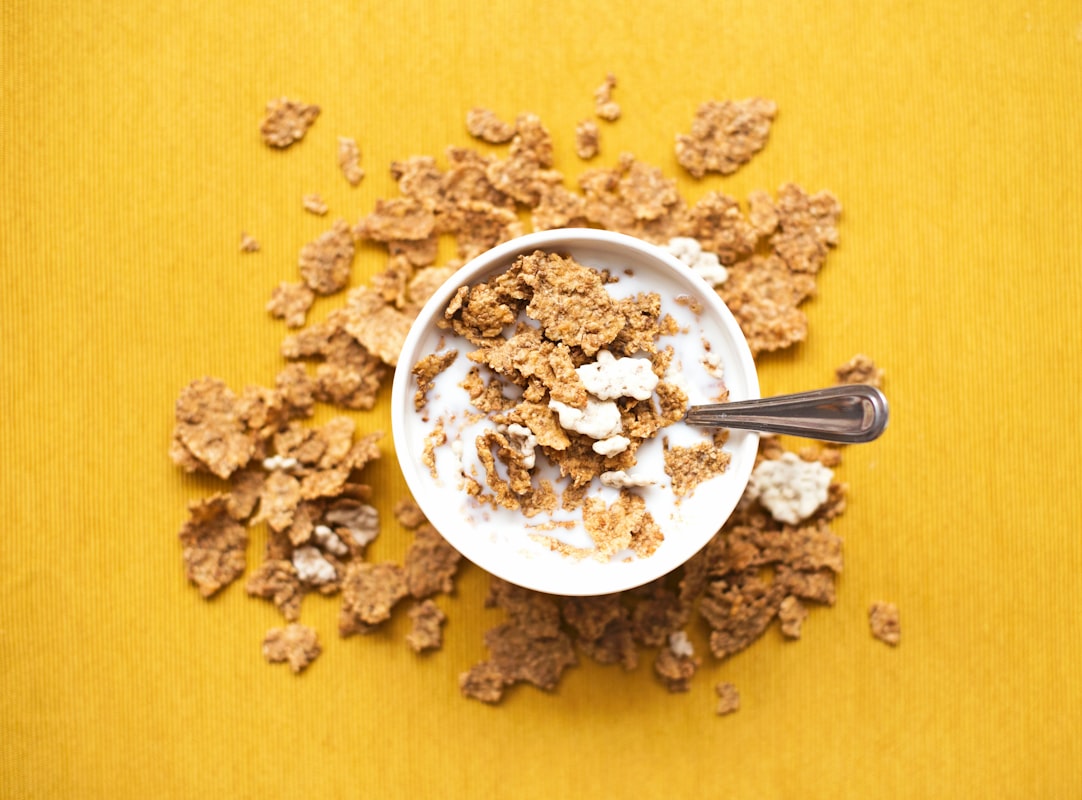
Nuts and Seeds
Almonds, walnuts, flaxseeds, and chia seeds provide monounsaturated fats and fibre. A small handful daily serves as an excellent snack that supports healthy cholesterol levels while keeping you satisfied between meals.
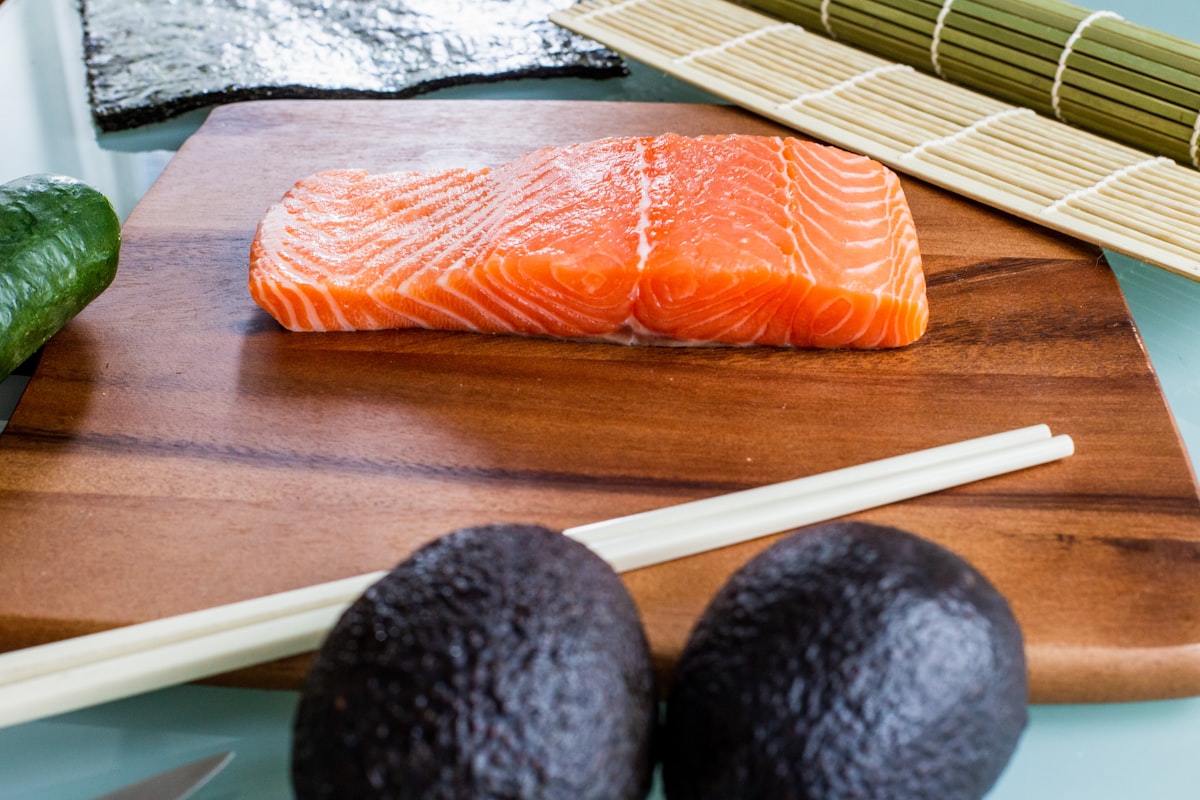
Fresh Vegetables
Leafy greens, broccoli, bell peppers, and tomatoes offer vitamins, minerals, and phytochemicals that protect your cardiovascular system. Raw or lightly cooked vegetables retain maximum nutritional value for cholesterol management.

Fruits and Berries
Apples, berries, citrus fruits, and pears contain soluble fibre and antioxidants. These naturally sweet options satisfy cravings while actively supporting your cholesterol goals and providing essential micronutrients.
Common Questions About Nutritional Management
How quickly can diet changes affect cholesterol levels?
Can I manage cholesterol through diet alone without other interventions?
What role do plant-based foods play in cholesterol reduction?
Are certain cooking methods better for maintaining cholesterol-friendly nutrients?
How important is consistency in following cholesterol-friendly nutrition?
Real Success Stories from Our Community
"I started implementing the dietary strategies from the food guide three months ago, and my cholesterol levels have improved dramatically. The articles explained exactly why each food matters, which helped me stay committed. The whole grains and legume recommendations replaced my old habits perfectly."
James Mitchell
Manchester, United Kingdom
"The comprehensive nutrition information available here transformed how I think about food. Instead of restrictive dieting, I discovered I was simply making uninformed choices. The science-backed explanations gave me confidence to change my eating patterns. My family noticed the improvements too."
Robert Chen
Birmingham, United Kingdom
"Finally, an editorial source that explains cholesterol management without overwhelming jargon. The recipe section showed me practical ways to cook cholesterol-friendly meals that my whole household enjoys. My doctor was impressed with my recent health markers."
David Thompson
Leeds, United Kingdom
Start Your Cholesterol Journey Today
Discover practical nutrition strategies, evidence-based articles, and community insights to support your cardiovascular health journey. Our editorial team continuously publishes new content to help you make informed food choices.
Have questions about our content? Send us feedback
Subscribe for Updates
Get notified when we publish new articles, recipes, and nutrition insights directly to your inbox.
We respect your privacy. Unsubscribe anytime. No spam.